
The United States’ progress in establishing LGBTQ+ rights have been significant in the last decade. However, Europe has significantly outpaced the U.S. in recognizing and respecting LGBTQ+ rights.
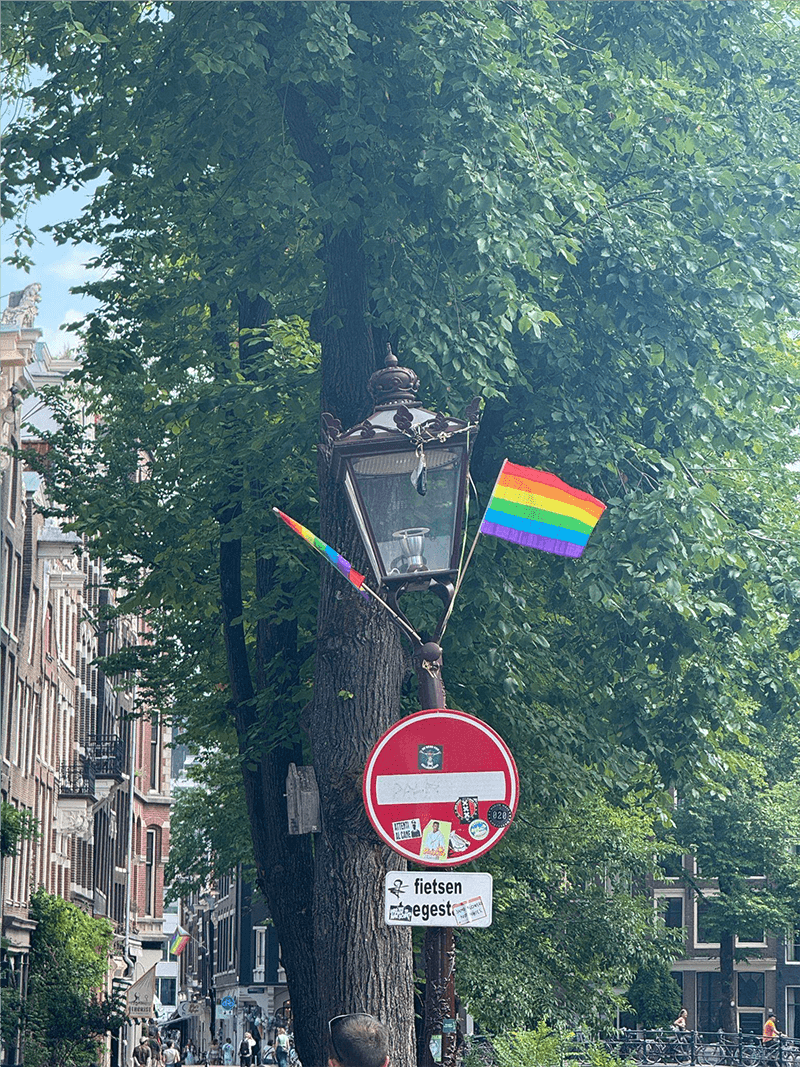
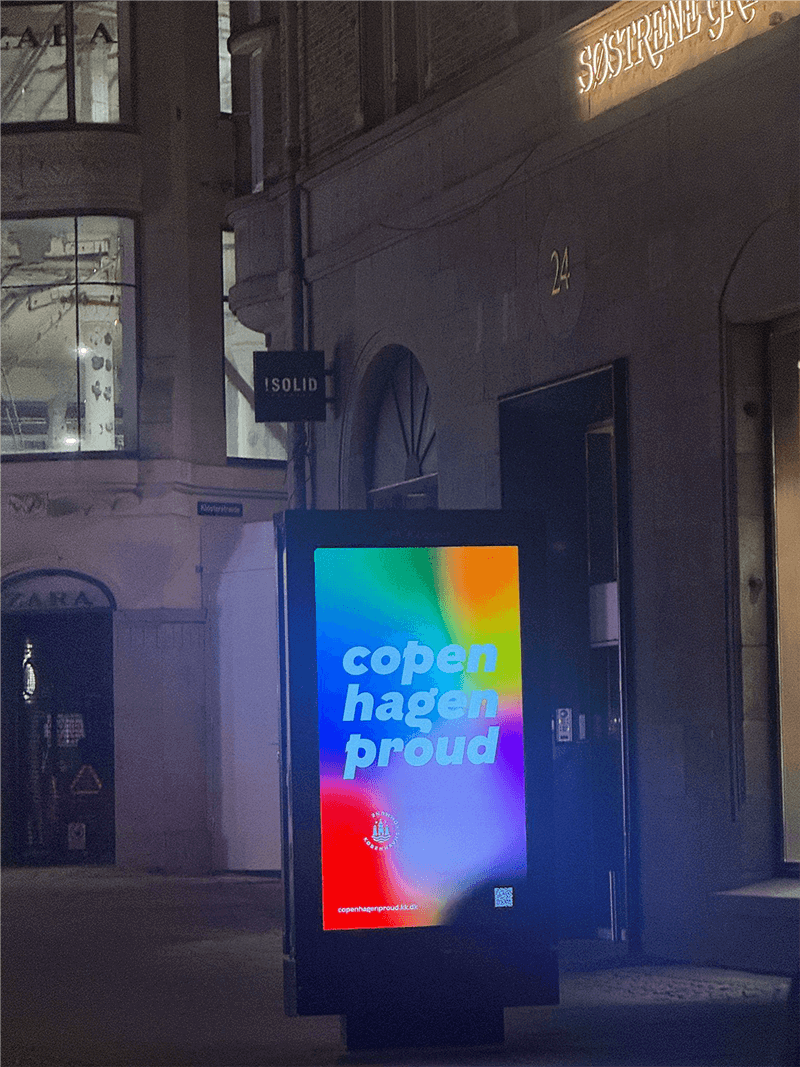
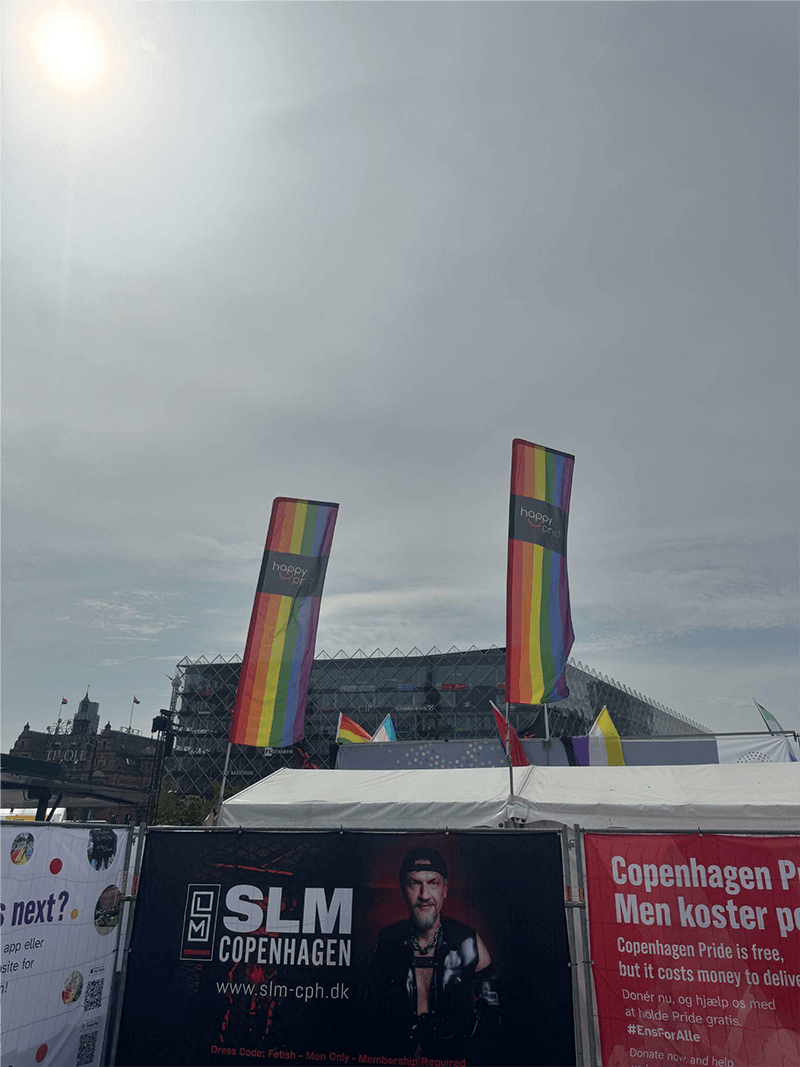
NETHERLANDS & DENMARK – August 2025: Amsterdam, Netherlands, Gay Pride Celebration; Copenhagen, Denmark advertisements, celebrating gay pride.
Jade Lopez, CRDN
October 17, 2025
On June 26, 2015, the United States Supreme Court handed down its landmark decision in the case of Obergefell v. Hodges, legalizing same-sex marriage across America. The five–four ruling was one of the most impactful to date: what had started in Massachusetts in 2004, as the first U.S. state to recognize same-sex marriage, became the law for all fifty states.
With that being said, unfortunately, being legal and being accepted are, in this case, foreign concepts.
The United States has made significant progress within the decade since marriage equality became law. The amount of same-sex couples choosing to marry has more than doubled within ten years. Marriage now offers LGBTQ+ couples access to vital rights, such as inheritance, healthcare decisions, parental opportunities, and much more that would have never been thought of before.
Legal protections have also expanded. The Respect for Marriage Act (2022), ensures that (gay) marriages are recognized at the federal level, if future courts try to undo Obergefell. At the constitutional level, states may have their own marriage statutes, but none can legally deny marriage equality, thanks to this act.
This safeguard is crucial, as it cements recognition of same-sex marriages in federal law regardless of political or judicial shifts, especially considering what tragically happened with Roe v. Wade, where women’s reproductive rights were stripped. Girls and women alike are fighting daily for access to healthcare services, including safe and legal abortion. We cannot go back even further.
The Supreme Court affirmed that same-sex marriage is a fundamental right protected under both the Equal Protection Clause (EPC) and the Due Process Clause (DPC) of the Fourteenth Amendment. That precedent ensures marriage equality is firmly grounded in America’s legal framework.
While America’s progress is significant, Europe had already been charting this path decades earlier. Denmark was the first country in the world to recognize same-sex partnerships in 1989, setting an international standard. The Netherlands followed shortly behind, but took it one step further—the country legalized gay marriage in 2001, the first country in the world to do so.
France, Spain, and many others followed suit years later, but still long before the U.S. Supreme Court ruling.
What separates much of Europe apart from us is not only legal protections, but cultural attitudes. In cities like Amsterdam and Copenhagen, queer visibility is not only allowed but celebrated. Public displays of affection between same-sex couples are generally met with nothing but acceptance. LGBTQ+ bars, clubs, and community spaces are integrated into city culture rather than relegated to hidden corners.
When I traveled in August of this year, I was in awe to see the pride flags on nearly every street sign through the streets of Amsterdam. And I was even more surprised to find that, just days later as we went from the Netherlands to Denmark, we were in the midst of Copenhagen’s pride week—a free and very large event that boasted incredible drag performances and celebrations, where thousands of same-sex couples and gay individuals had no worries of expressing themselves in a way that was authentically them.
In Europe, acceptance is widespread in Western and Northern countries, though Eastern Europe still struggles with hostility toward LGBTQ+ people. The U.S. resembles this divide in similar ways: states like California, New York, and Massachusetts showcase progressive laws and visibly accepting queer culture, but regions in the South and Midwest frequently push anti-LGBTQ+ legislation and foster hostile, unsafe social climates.
States like California, New York, and Massachusetts have strong protections and vibrant queer communities, while much of the South and Midwest have pushed restrictive laws and fostered hostile and unsafe environments.
Part of the reason for Europe’s greater consistency lies in religion’s influence on politics. Many European countries leave organized religion as a small role in shaping public policy. But in the U.S., religious conservatism remains a powerful force behind much anti-LGBTQ+ legislation and fuels so many ongoing cultural battles. It’s almost as if we don’t want a separation of church and state.
For gay and queer Americans, the contrast is clear: while major cities may offer safe havens, the lack of nationwide acceptance and the constant political backlash create a reality that isn’t ideal (at best) for most in those communities.
In many ways, Europe demonstrates what’s possible when inclusivity becomes a cultural value as well as a legal principle. It shows how progress can move beyond rights on paper to acceptance in daily life.